
EGR Valve
Complete Guide, Symptoms & Replacement UK

Vehicle EGR Valve
Top view in this week

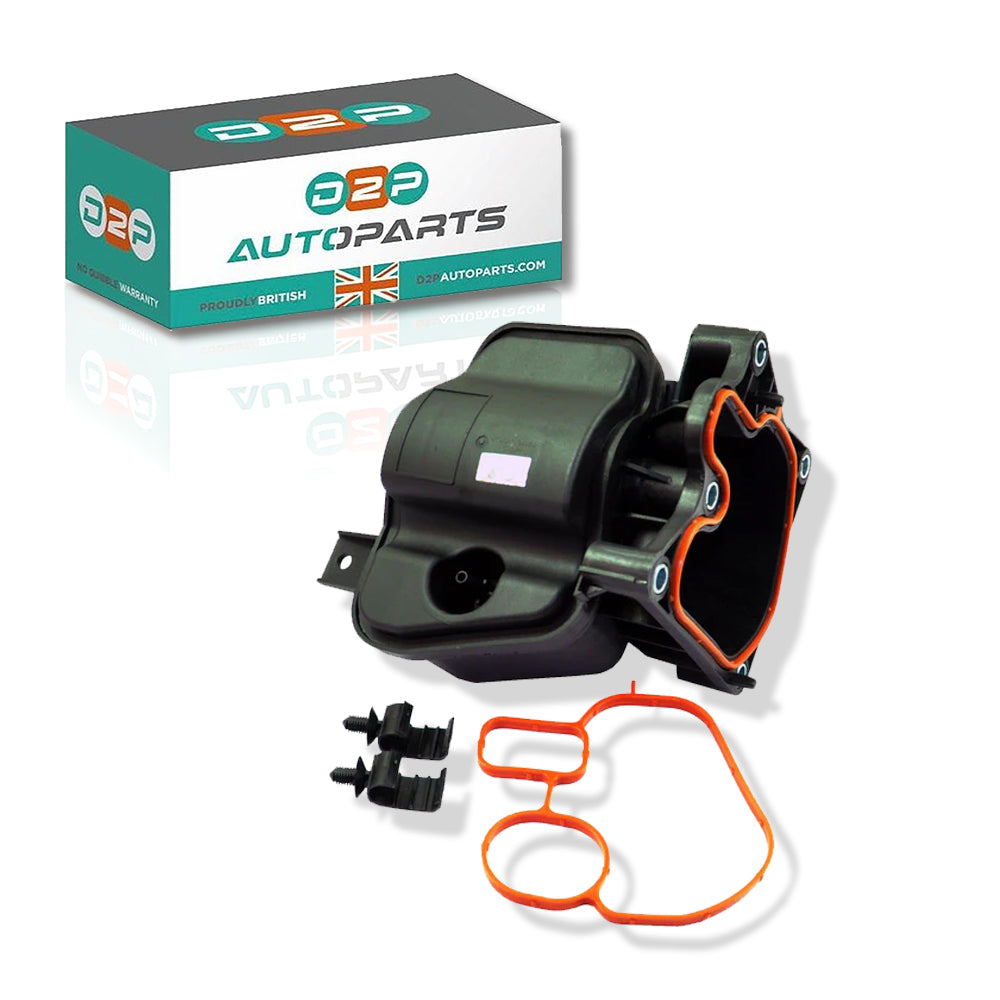


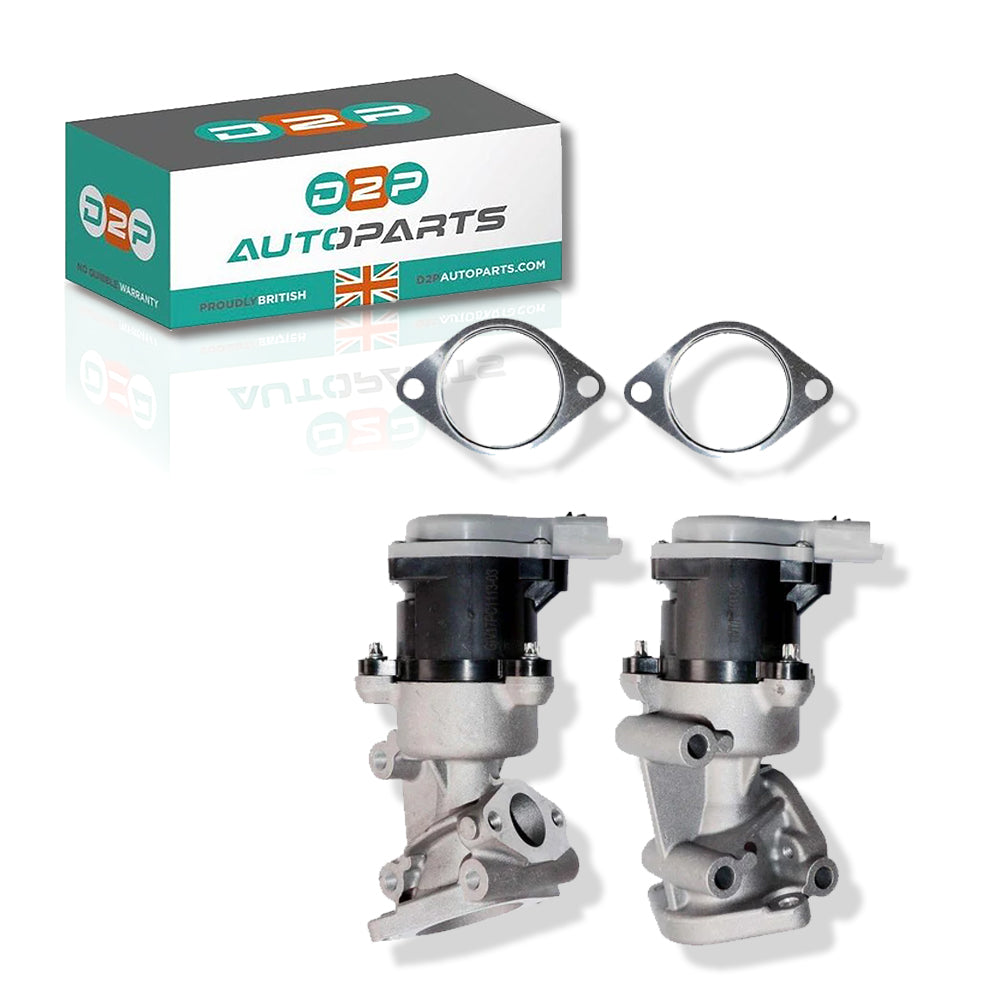

Find Your EGR Valve by Brand
Browse our full range of EGR valves organised by vehicle manufacturer.
What Is An EGR Valve?
An EGR (Exhaust Gas Recirculation) valve is the small but vital component that redirects a measured amount of exhaust gas back into your engine's intake system. By recirculating a controlled amount of exhaust gas into the intake, EGR reduces oxygen concentration and lowers peak combustion temperatures, helping to reduce harmful NOx emissions.
EGR systems are widely used in modern petrol and diesel engines, particularly where they are required to help meet emissions regulations. Once it starts to stick, clog with carbon, or fail electronically, you'll notice warning lights, rough running, and a car that struggles to pass its MOT emissions test.
SHOP EGR VALVESSigns Of A Faulty EGR Valve
Not sure if your EGR valve needs replacing? Watch out for these common warning signs.
Engine Management Light
A faulty EGR valve is one of the most common triggers for the check engine light, often linked to a stored fault code.
Rough Or Unstable Idle
A stuck-open valve floods the engine with exhaust gas at idle, causing hesitation, shaking, or stalling.
Reduced Fuel Economy
When the valve fails to regulate airflow correctly, the engine burns fuel less efficiently, hitting your MPG.
Excess Black Smoke
A faulty or incorrectly operating EGR system can contribute to excessive black smoke, particularly on diesel engines, although other engine or fuel-system faults can also cause smoke.
Loss Of Power Or Acceleration
Too much exhaust gas recirculating at the wrong time starves the engine of oxygen, leaving it sluggish under load.
Failed MOT Emissions Test
A faulty EGR system can increase emissions and may contribute to an MOT emissions failure, depending on the vehicle and the nature of the fault.
How An EGR Valve Works
A closer look at how this small valve helps your engine run cleaner with every cycle.

The diagram above shows the EGR valve's position between the exhaust manifold and the intake manifold. When the ECU signals the valve to open, a controlled amount of exhaust gas flows from the exhaust side, through the valve, and back into the intake - mixing with fresh incoming air before it reaches the cylinders. This recirculated gas lowers the peak combustion temperature inside the engine, which is what reduces harmful NOx emissions. When EGR is not required, the valve closes or reduces flow, allowing the engine to operate with little or no exhaust-gas recirculation.
ECU Sends The Signal
Based on engine load, temperature and speed, the ECU calculates exactly how much exhaust gas needs recirculating.
Valve Opens Precisely
An electric or vacuum-operated actuator moves the valve to the exact position needed for that moment.
Exhaust Gas Recirculates
A controlled portion of exhaust gas is routed back into the intake. On systems equipped with an EGR cooler, the recirculated gas is cooled before entering the intake.
Emissions Drop, Engine Stays Efficient
With combustion temperatures under control, NOx emissions fall while normal engine performance is maintained.
EGR Valve vs EGR Cooler
Two different parts of the same system, often confused with one another. Here's how they differ.
EGR Valve
The EGR valve is the control component of the system. It opens and closes to regulate exactly how much exhaust gas is allowed to flow back into the intake at any given moment, based on signals from the ECU. Think of it as the gatekeeper, controlling flow rather than temperature.
EGR Cooler
The EGR cooler is a heat exchanger fitted upstream of the valve on many diesel and some petrol engines. Its job is to cool the hot exhaust gas before it re-enters the intake, since cooler gas is more effective at reducing combustion temperatures and NOx output.
On many vehicles, especially diesels, the two work together as a pair, gas passes through the cooler first, then through the valve to control flow. A fault in either part can cause similar symptoms, such as warning lights or rough running, but they are diagnosed and replaced separately. A leaking or blocked EGR cooler is a common cause of coolant loss or overheating, while a faulty valve more often shows up as poor idle, hesitation, or emissions issues.
Repair Or Replace?
Common causes of EGR valve failure and how to know whether a clean will do, or if it's time for a new valve.
Carbon Build-Up
Light carbon fouling can sometimes be cleared with a proper clean, especially on higher-mileage diesels.
Stuck Or Seized Valve
If heavy carbon deposits cause the valve to seize or the mechanism is damaged, replacement is often the most reliable long-term solution.
Electrical Or Sensor Fault
A failed internal position sensor or damaged electronics may require replacement of the valve. External wiring and connector faults should be diagnosed and repaired separately.
Age & General Wear
Constant exposure to heat and exhaust gases means most EGR valves have a limited lifespan and eventually need replacing.
Why Buy From D2P AutoParts?
Trusted by UK drivers for quality parts and reliable service.
Premium Aftermarket Quality
OE-quality fit and finish, tested for reliable long-term performance.
Fast UK Dispatch
Quick dispatch and dependable delivery throughout the UK.
Compatibility Support
Our experts help you find the correct EGR valve for Ford, Vauxhall, BMW, Audi, Volkswagen and more.
Warranty & UK Support
Friendly UK-based support and warranty cover on every order.
What does an EGR valve do?
An EGR valve redirects a controlled amount of exhaust gas back into the engine's intake system, lowering combustion temperatures and reducing harmful NOx emissions.
What are the symptoms of a faulty EGR valve?
Common signs include an illuminated engine management light, rough or unstable idle, reduced fuel economy, loss of power under acceleration, excess black smoke, and a failed MOT emissions test.
Can I drive with a faulty EGR valve?
If the vehicle is losing significant power, entering limp mode, stalling or producing excessive smoke, it should be inspected promptly rather than driven for an extended period.
Is it easy to replace an EGR valve myself?
On many vehicles, EGR valve replacement is a straightforward DIY job with basic tools. However, access and location vary by make and model, so some vehicles may require professional fitting.
How much does it cost to replace an EGR valve?
Costs vary by vehicle make and model, but choosing an OE-quality aftermarket valve from D2P Auto Parts is a cost-effective alternative to dealer prices, without compromising on fit or performance.
Can an EGR valve be cleaned instead of replaced?
In some cases, light carbon build-up can be cleaned out to restore function. However, if the valve is stuck, seized, or has an electrical fault, cleaning won't fix it and replacement is needed.
Will a faulty EGR valve fail an MOT?
Yes, a faulty EGR valve is a common cause of MOT emissions test failures, particularly on diesel vehicles, since it directly affects NOx output.
How long does an EGR valve last?
Most EGR valves last for many years, but continuous exposure to heat and exhaust gases means they naturally wear out over time, especially on higher-mileage vehicles.
Does D2P Auto Parts offer EGR valves for all car brands?
Yes, we stock EGR valves for a wide range of makes including Ford, Vauxhall, BMW, Audi, Volkswagen, Peugeot, Renault, Nissan, and more.
Can I collect my EGR valve order instead of waiting for delivery?
Yes, you can collect your order directly from our warehouse in Witney, Oxfordshire, in addition to our fast UK delivery options.