

Absolutely perfect with great customer service
Part as described. It fits and works perfectly. Fast delivery
Value for money. Quick delivery aswell.
Fast delivery wxcellent service
The delivery time excellent at a good price

Top view in this week

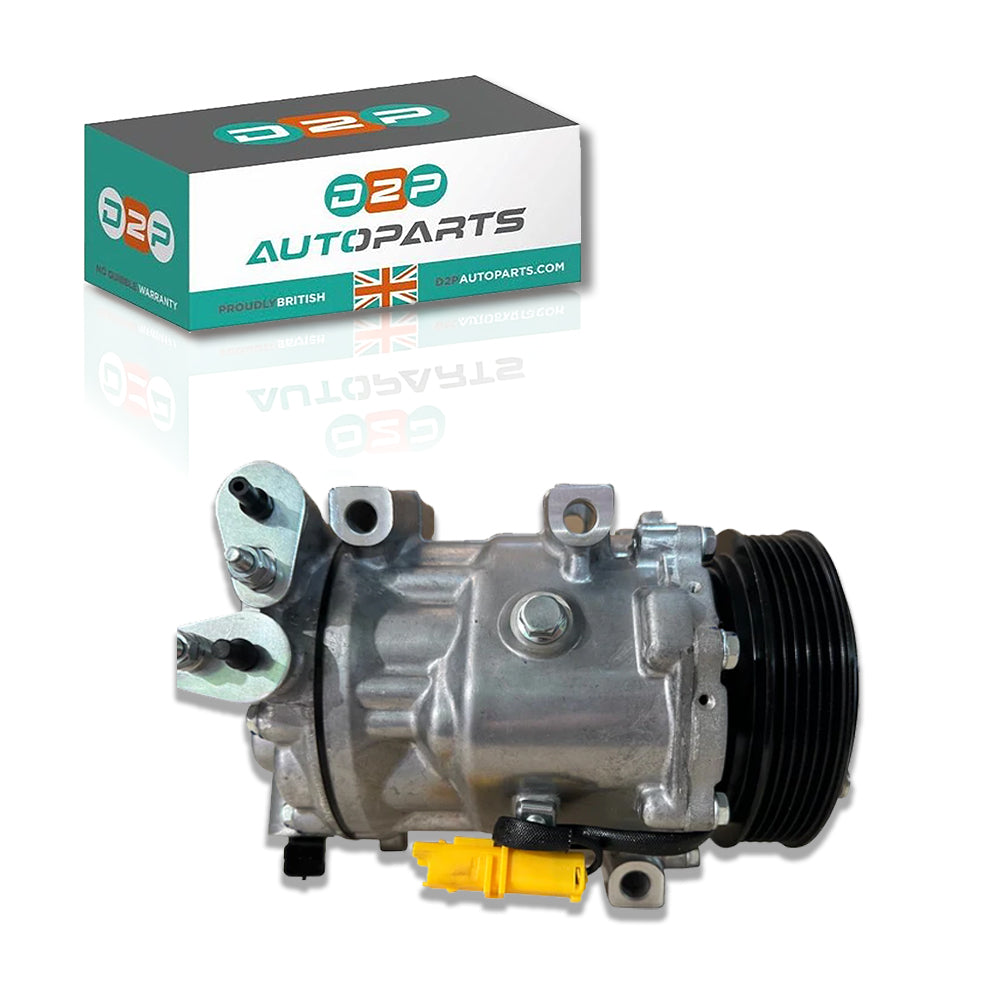

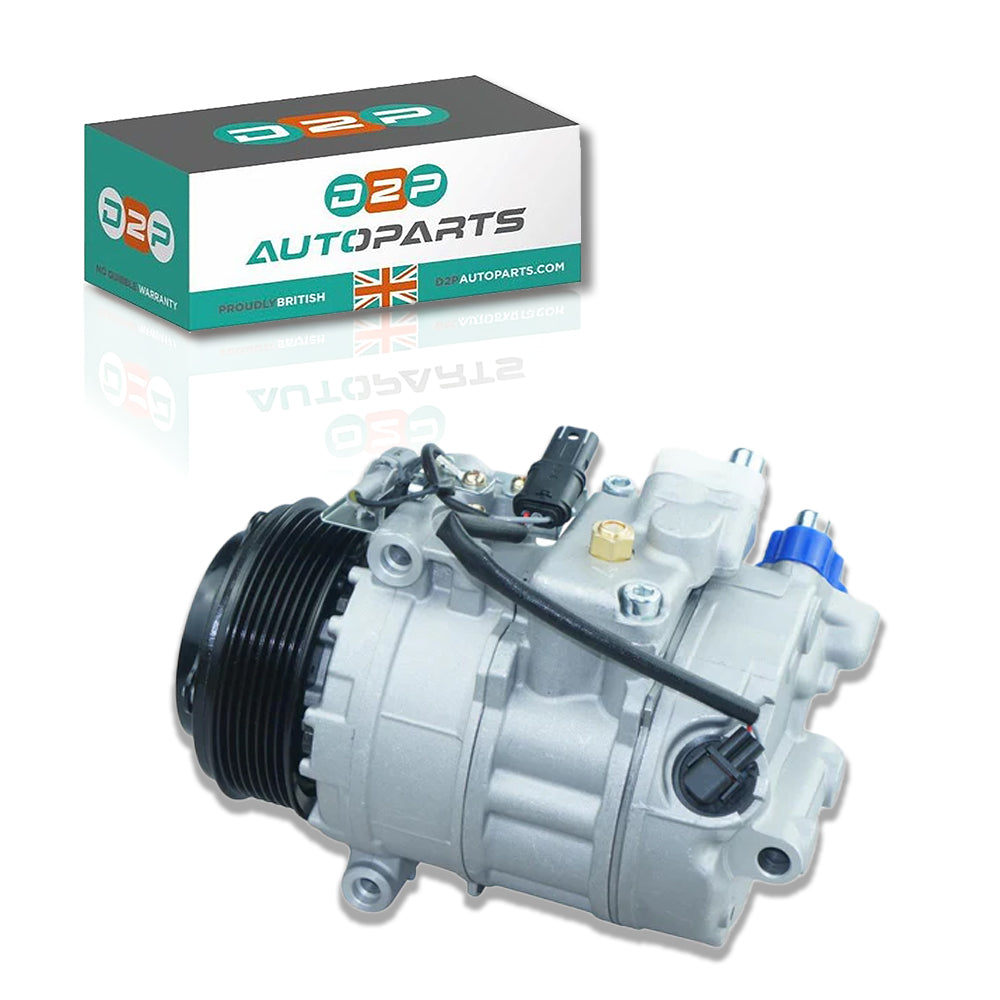

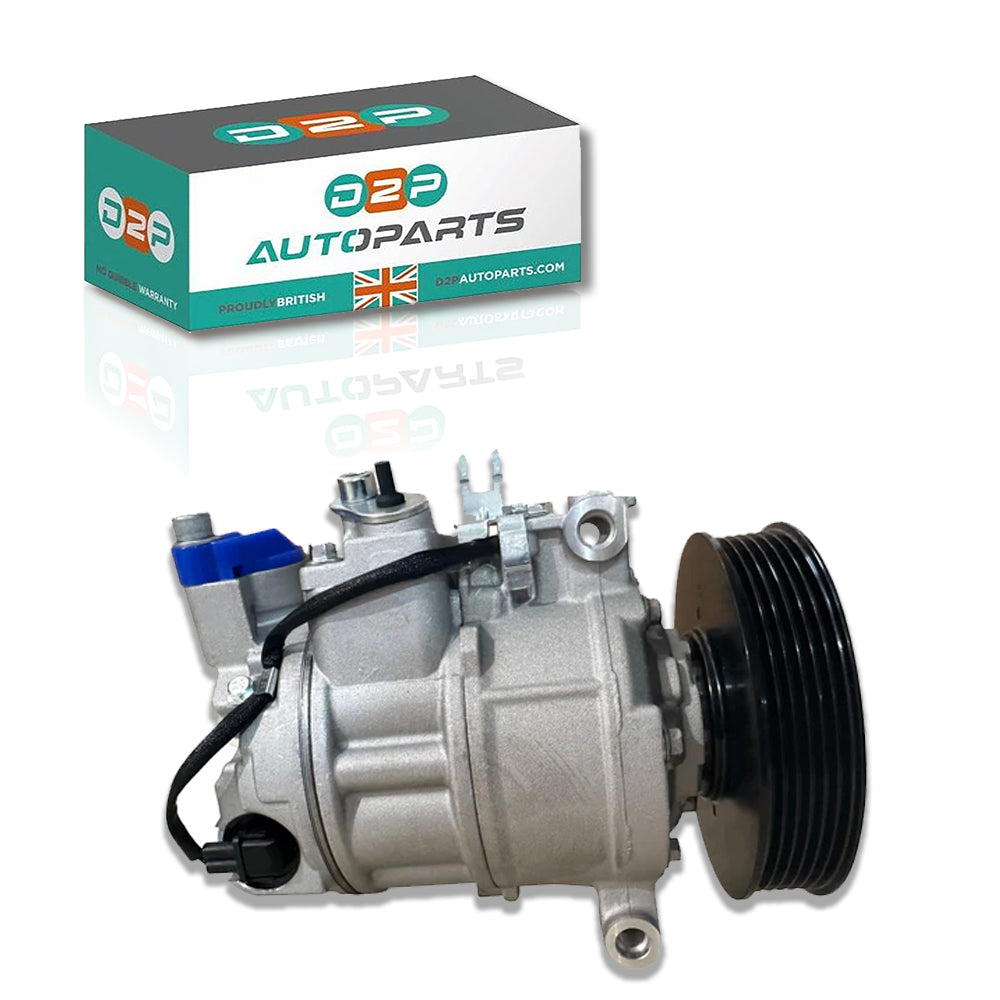

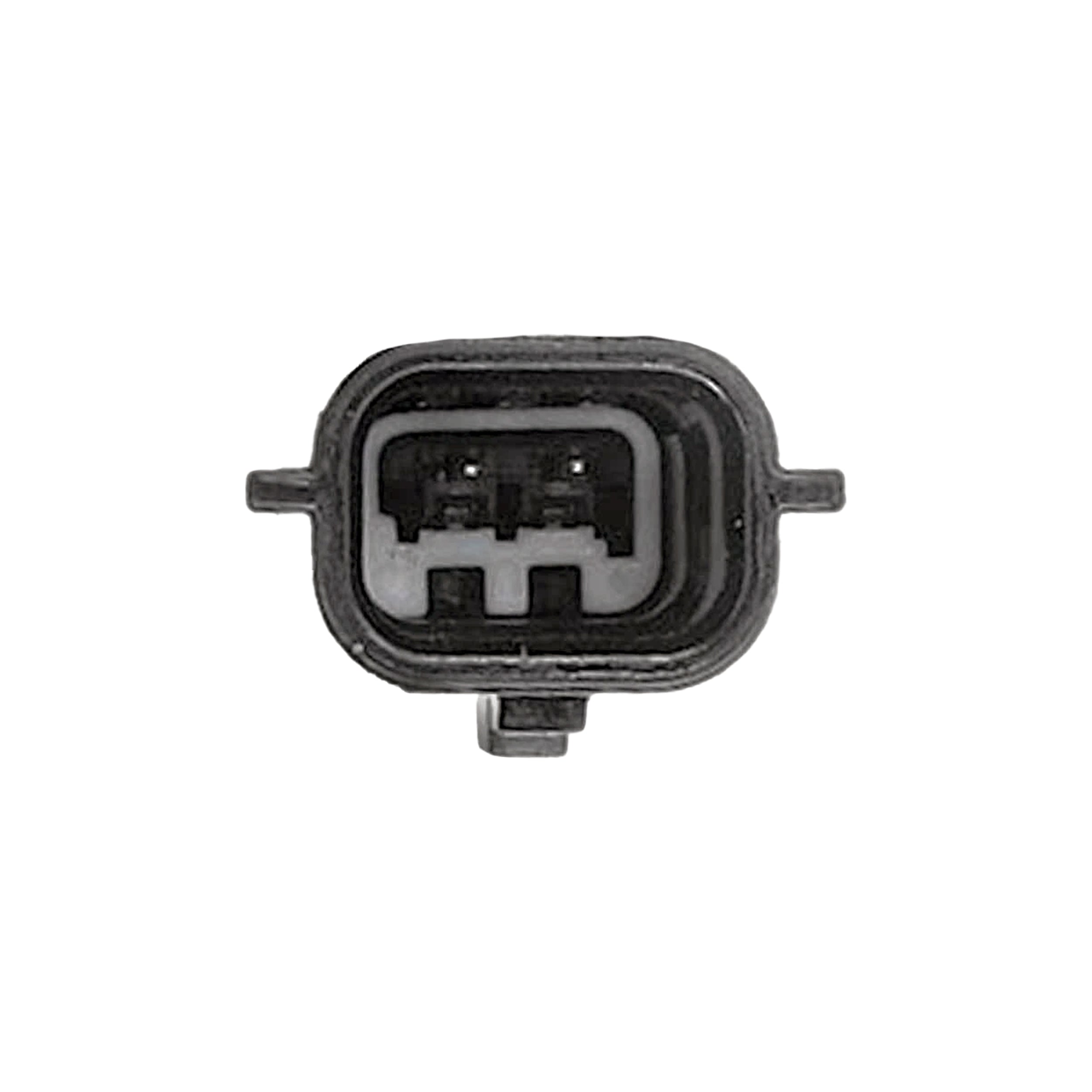

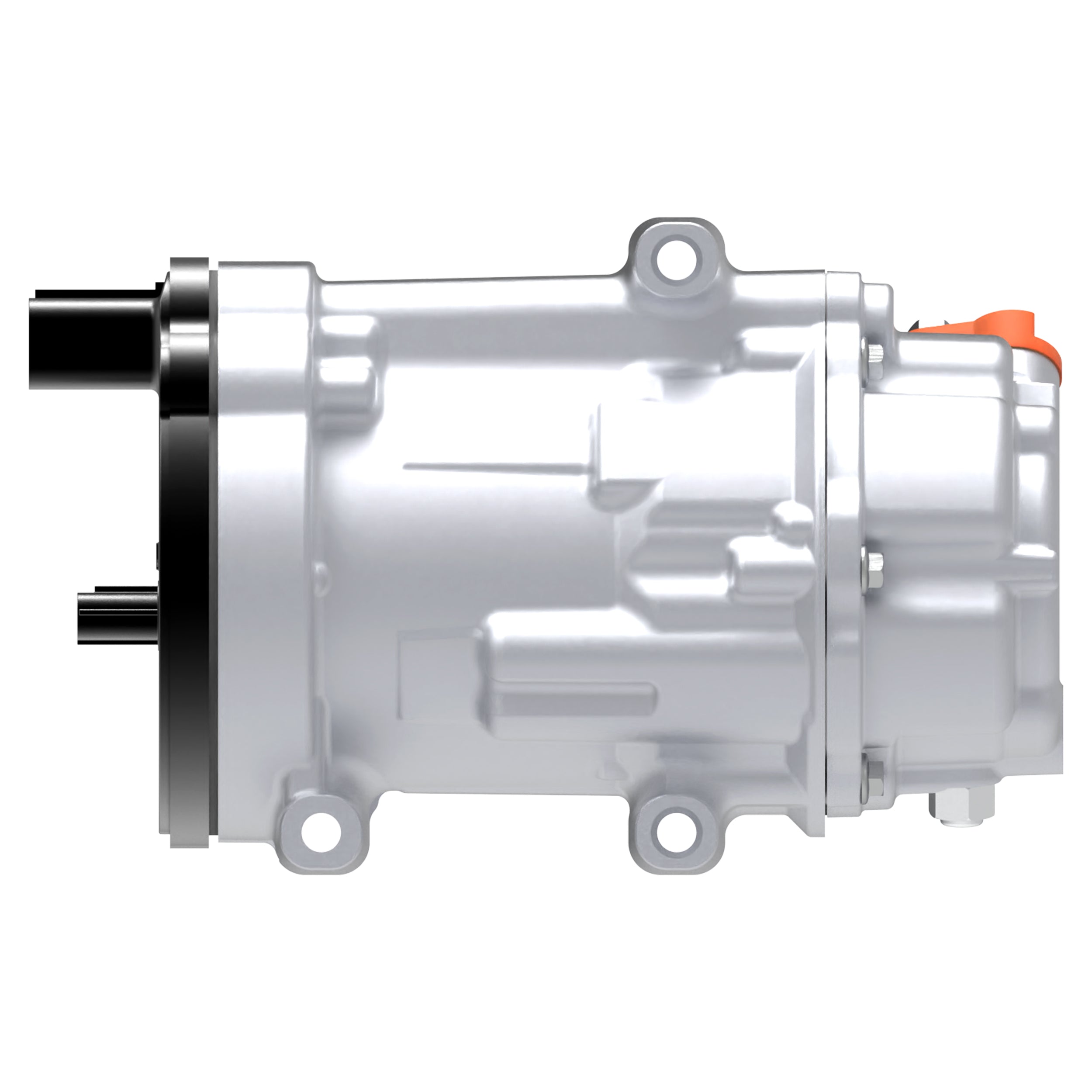

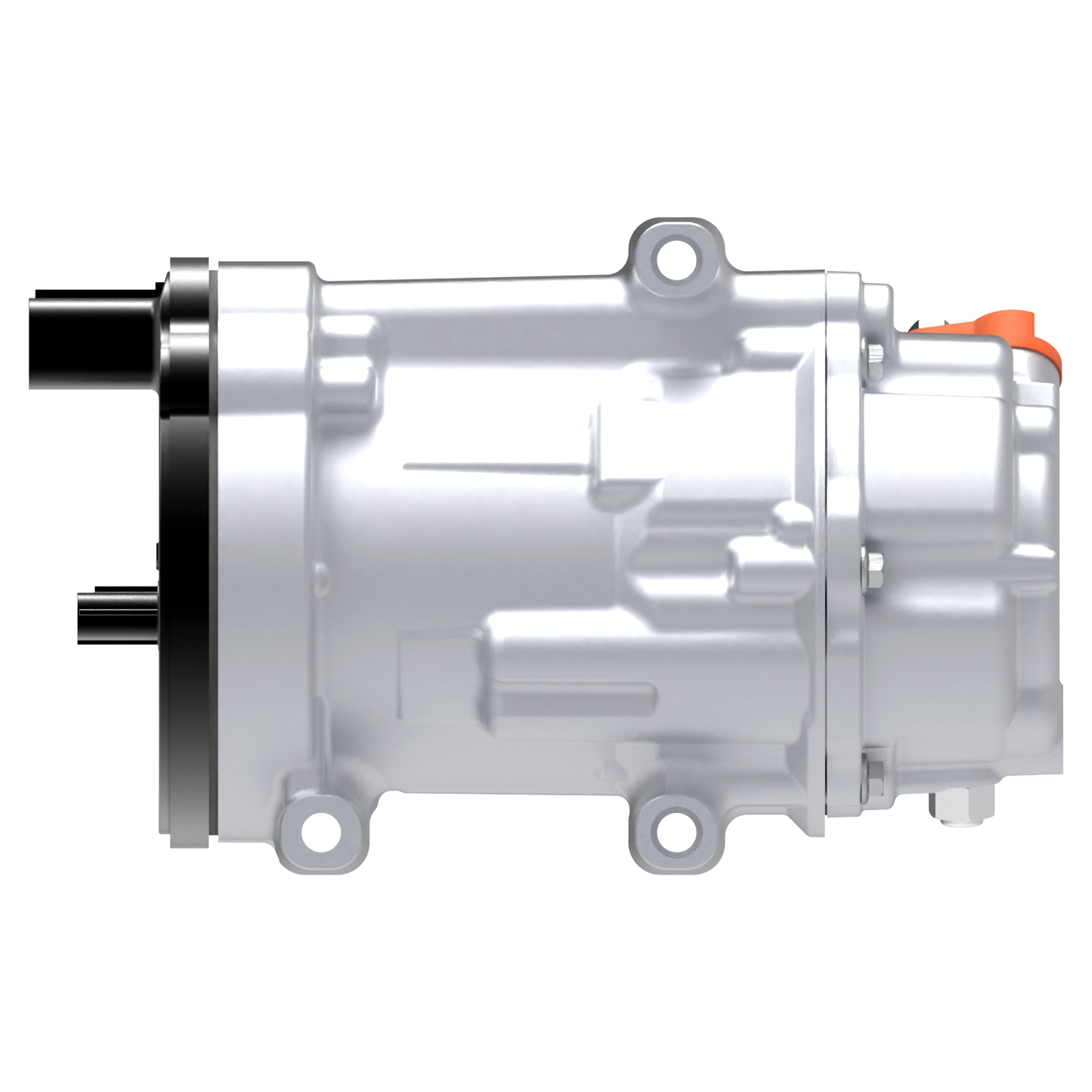

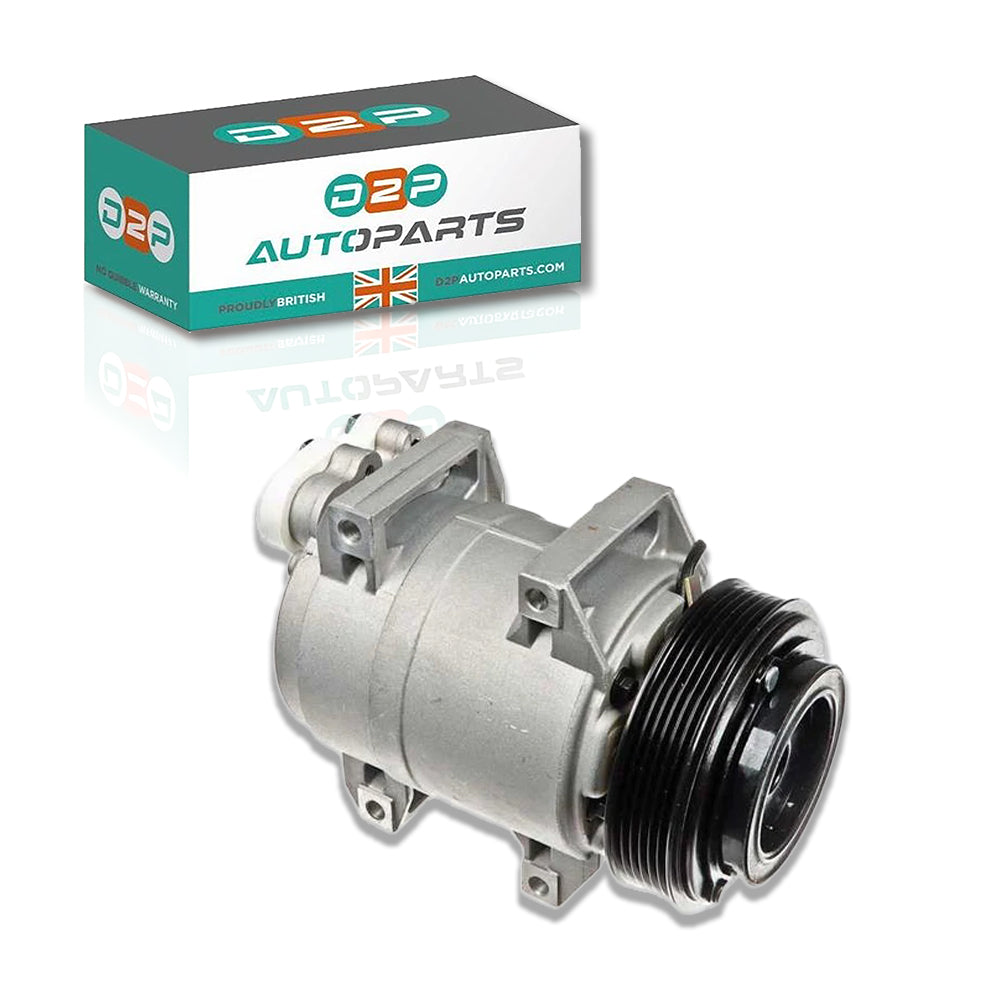
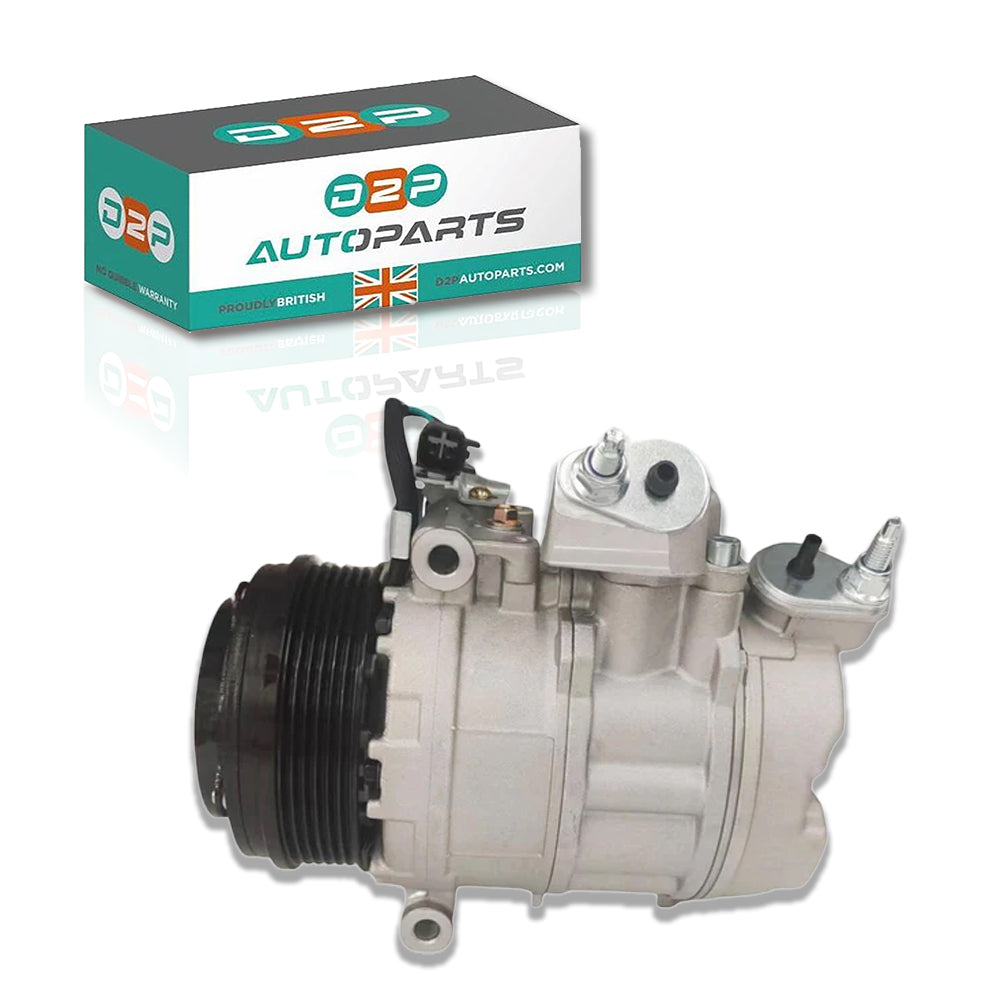
The air conditioning compressor is the heart of your vehicle's AC system. It compresses and circulates refrigerant through the system so that your cabin receives cold, comfortable air, no matter how hot it gets outside.
When the compressor starts to fail, you'll notice warm air, strange noises, or the AC clutch refusing to engage — early signs that shouldn't be ignored before the whole system is affected.
SHOP AC COMPRESSORS
Follow the refrigerant cycle to see how your car keeps the cabin cool.

Low-pressure refrigerant gas absorbs heat from the cabin air inside the evaporator.
The compressor pulls in this low-pressure gas and compresses it into high-pressure hot gas.
The high-pressure hot gas passes through the condenser, releasing heat to the outside air.
As it cools in the condenser, the refrigerant turns into a high-pressure liquid.
The expansion valve drops the pressure, turning the liquid into a low-pressure liquid.
The low-pressure liquid returns to the evaporator, and the cooling cycle repeats.
Watch out for these warning signs before your AC system fails completely.
A failing compressor can no longer build enough pressure to cool the refrigerant properly.
Worn internal bearings or components create a grinding or rattling sound when the AC is on.
If the compressor clutch fails to engage, the compressor won't run at all.
Leaking seals or fittings on the compressor cause refrigerant loss and reduced cooling.
A seized compressor or slipping belt can produce a burning smell from under the bonnet.
The AC still blows cold air, but not as strong or cold as it should be.
The compressor switches on and off rapidly, often due to low refrigerant or electrical faults.
Understanding what causes compressor failure helps you catch problems early.
Insufficient refrigerant reduces lubrication and cooling, straining the compressor.
Refrigerant oil lubricates internal parts; too little causes friction and wear.
Bearings degrade over time, leading to noise and eventual compressor seizure.
Moisture or debris in the refrigerant can damage internal compressor components.
Faulty wiring or a failed relay can stop the compressor clutch from engaging.
A blocked condenser restricts heat release, forcing the compressor to work harder.
Technically yes, but here's what you risk by ignoring the problem.
You'll be left with warm or inconsistent airflow, especially uncomfortable in summer traffic.
A seizing compressor can snap or damage the drive belt, affecting other engine components.
Ignoring early symptoms often leads to full system damage, costing far more to repair later.
Continued use of a failing compressor can cause it to seize entirely, requiring full replacement.
Two key AC parts that work together, but serve very different roles.
| Air Conditioning Compressor | Condenser |
|---|---|
| Compresses low-pressure refrigerant gas into high-pressure hot gas and keeps it circulating through the AC system. | Releases heat from the high-pressure gas and converts it back into a high-pressure liquid. |
Know the signs that mean it's time for a replacement, not a repair.
If the system blows only warm air even after a recharge, the compressor is likely the cause.
A fully seized compressor cannot be repaired and must be replaced immediately.
Persistent grinding or knocking noises usually mean internal damage beyond repair.
Leaks from the compressor housing or seals are a clear sign it needs replacing.
A clutch that won't engage or disengage properly usually means a full unit replacement.
Metal debris circulating in the AC system means internal components have broken down.
Trusted by UK drivers for quality parts and reliable service.
Quick dispatch and dependable delivery throughout the UK.
OE-quality fit and finish, tested for reliable long-term performance.
Check your vehicle's compatibility before you buy, so you get the right fit first time.
Competitive pricing backed by friendly UK-based customer support.
Most AC compressors last between 8 to 10 years or around 100,000 miles, but this can vary depending on usage, maintenance and refrigerant condition.
In some cases, minor issues like clutch or seal problems can be repaired. However, if the internal components are worn or the unit has seized, a full replacement is usually more reliable.
A completely failed compressor will stop the AC system from cooling altogether, and can send metal debris through the system, potentially damaging other components like the condenser and expansion valve.
Yes. Refrigerant carries the lubricating oil through the system, so running low can starve the compressor of lubrication and cause premature wear or failure.
Replacement costs vary by vehicle and labour rates, but choosing a quality aftermarket compressor from D2P Autoparts helps keep costs down without compromising on reliability.
Shop high-quality replacement AC compressors from D2P Autoparts, built to OE standards with fast UK delivery.
SHOP AC COMPRESSORS