
Turbocharger & Intercooler Hoses
Complete Guide, Symptoms & Replacement UK

Turbocharger & Intercooler Hoses
Top view in this week


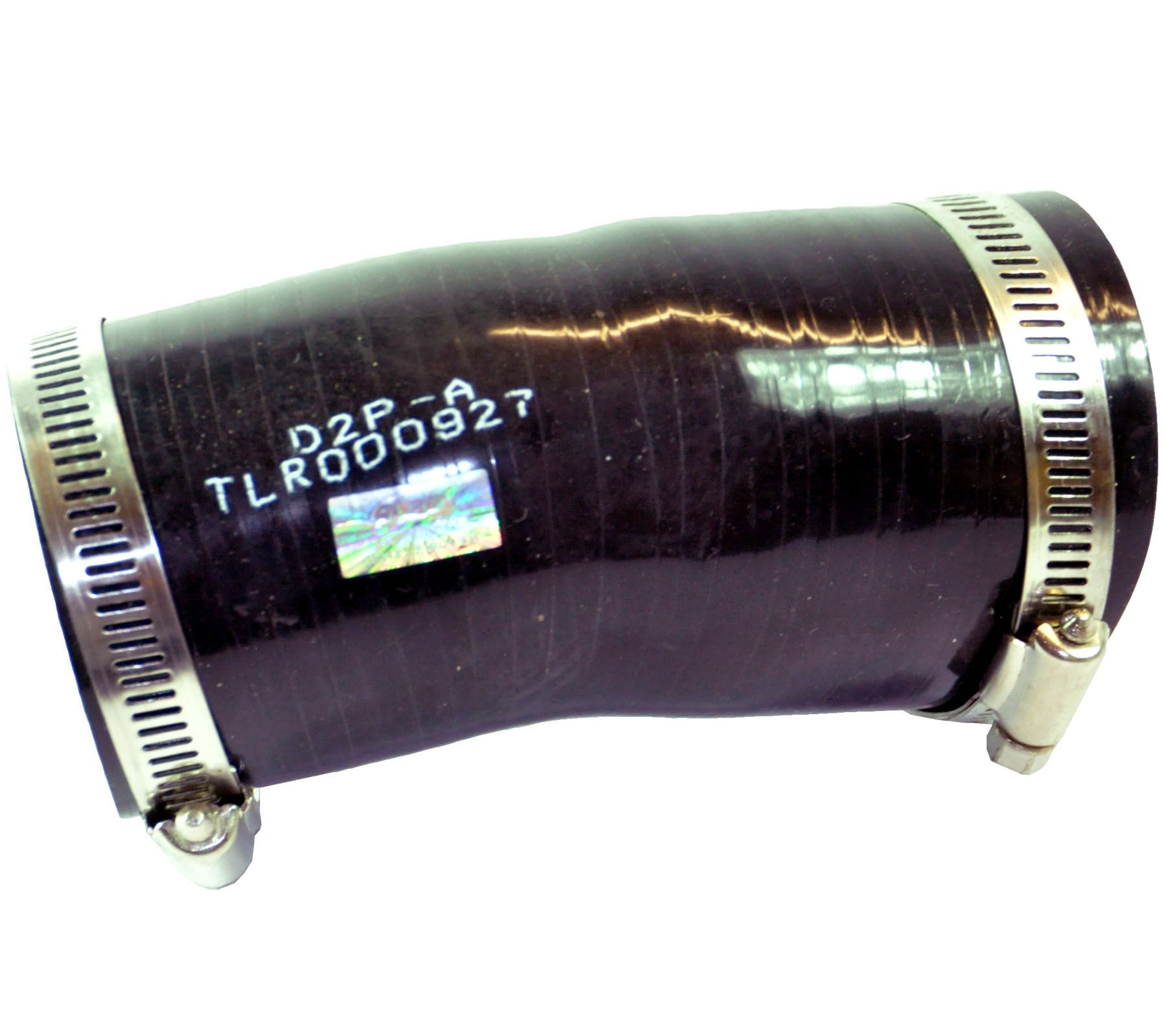


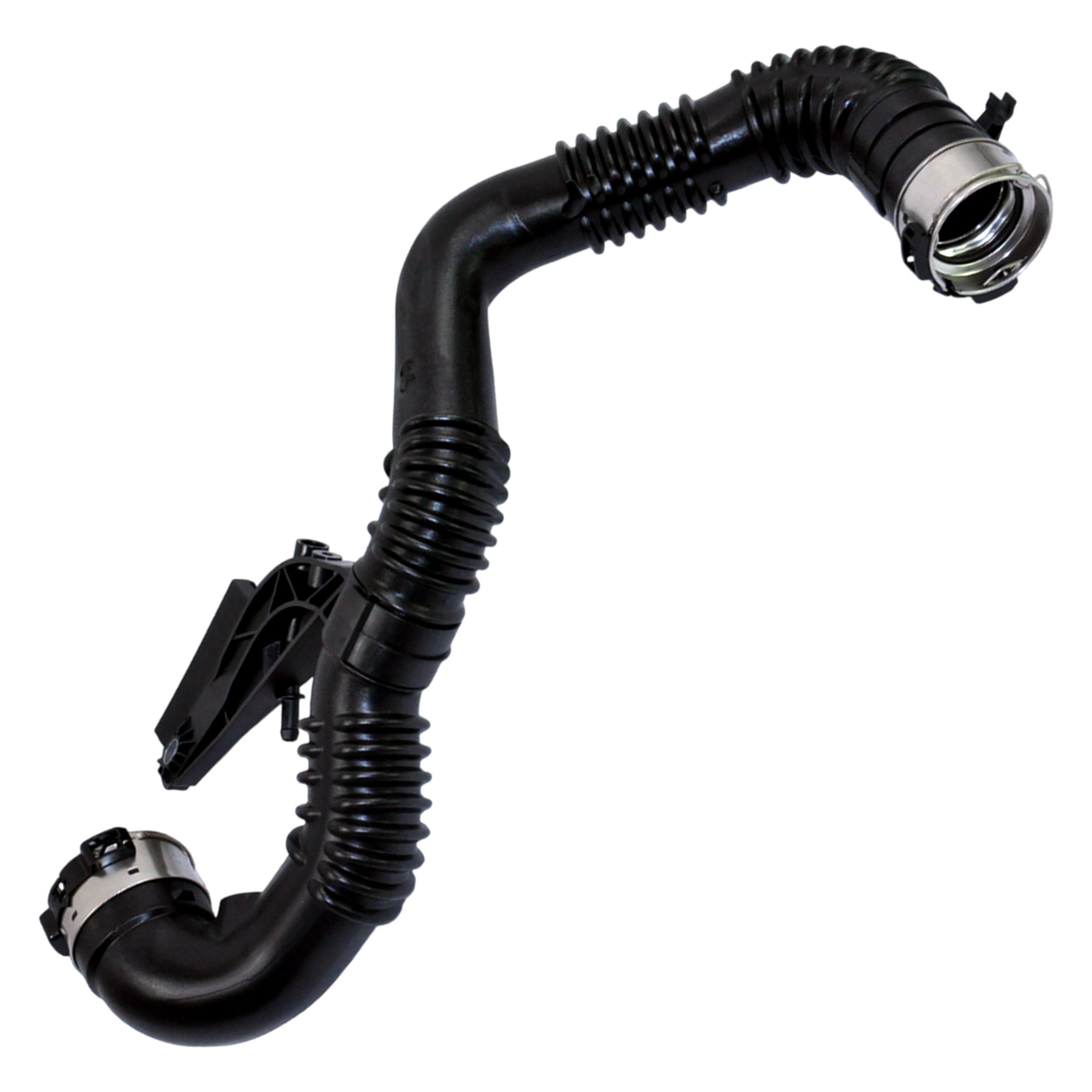


What Is A Turbocharger & Intercooler Hose?
Turbocharger and intercooler hoses, often called boost hoses or charge pipes, are the sealed rubber or silicone pipes that carry pressurised air from the turbocharger to the intercooler, and from the intercooler into the intake manifold or throttle body. They have to hold this air completely airtight while withstanding extreme heat, constant pressure cycling and engine vibration.
Because they sit right in the middle of the boost system, even a small split, crack or loose clamp lets pressurised air escape before it reaches the engine. That's usually when drivers first notice a hissing noise, a sudden loss of power, or a warning light on the dash.
SHOP TURBO & INTERCOOLER HOSESSigns Of A Faulty Turbo Or Intercooler Hose
Not sure if your boost hose is leaking? Watch out for these common warning signs.
Engine Management Light
A boost leak commonly triggers a stored fault code linked to boost pressure, air flow or fuel trim.
Hissing Or Whistling Noise
A rushing air sound under acceleration usually means pressurised air is escaping through a split hose or a loose clamp.
Sudden Loss Of Power
As boost pressure drops before reaching the engine, acceleration feels flat and delayed, especially at higher revs.
Reduced Fuel Economy
A leaking hose upsets the air-fuel mixture, forcing the engine to burn more fuel for the same performance.
Oil Residue Or Wet Patches
An oily film around a hose joint usually means the seal is weeping and the connection is starting to fail.
Visible Cracking Or Bulging
Heat, UV exposure and constant pressure cycling harden rubber hoses over time until they crack, split or bulge outward.
How Turbo & Intercooler Hoses Work
A closer look at how these hoses move pressurised air safely from the turbo to the engine.
When the turbocharger spins up, it compresses incoming air and pushes it out through the first hose, often called the hot side, toward the intercooler. The intercooler cools this compressed air, which can reach well over 100°C at the turbo outlet, before it's sent through a second hose, the cold side, into the intake manifold or throttle body. Every joint along this path is sealed with a hose and clamp, and the whole system has to stay completely airtight to build and hold the boost pressure the engine needs.

Hot Side Hose
Carries hot, compressed air straight from the turbocharger outlet to the intercooler inlet.
Cold Side Hose
Delivers cooled, dense air from the intercooler to the intake manifold or throttle body.
Clamped Joints
T-bolt or worm-drive clamps hold each connection airtight against constant boost pressure.
Pressure Cycling
Hoses expand and contract with every acceleration, which is why age and heat eventually wear them out.
Repair Or Replace?
Common causes of hose failure and how to know when it's time for a replacement.
Oil Contamination
Oil mist from turbo seals softens rubber hoses over time, making them prone to splitting.
Heat Cycling
Constant heating and cooling hardens and cracks rubber and lower-grade silicone hoses.
Worn Or Loose Clamps
Factory clamps loosen with age and heat, letting boost pressure leak even from an otherwise healthy hose.
Age & Mileage
Most factory hoses last 5 to 10 years before the material degrades enough to need replacing.
Why Buy From D2P AutoParts?
Trusted by UK drivers for quality parts and reliable service.
Reinforced Silicone & Rubber Options
Built to handle high boost pressure and extreme under-bonnet heat without failing.
Fast UK Dispatch
Quick dispatch and dependable delivery throughout the UK.
Compatibility Support
Our experts help you find the correct hose for Ford, Vauxhall, BMW, Audi, Volkswagen and more.
Warranty & UK Support
Friendly UK-based support and warranty cover on every order.
Frequently Asked Questions
Answers to the questions we get asked most about turbo and intercooler hoses.
How do I know if I have a boost leak?
Listen for a hissing or whistling noise under acceleration, and watch for a sudden loss of power, a lit engine management light, or an oily film around a hose joint. A boost leak tester will pinpoint the exact location.
Can I keep driving with a split turbo hose?
You can usually get the car home, but driving normally isn't recommended. A leak before the turbo lets in unfiltered air, and a boost leak forces the turbo to work harder, so it's best to replace the hose as soon as possible.
Silicone or rubber, which hose should I choose?
Reinforced silicone generally handles heat, boost pressure and ageing better than standard rubber, making it a strong upgrade. That said, fitment and clamp quality matter just as much as the hose material itself.
How often do turbo and intercooler hoses need replacing?
Most factory hoses last around 5 to 10 years, but heat, oil exposure and high mileage can shorten that considerably, so it's worth inspecting them for cracking or softness at every service.
Do I need special clamps when fitting a new hose?
Yes, ideally use T-bolt clamps rated for the pressure your system runs at. Standard worm-drive clamps can work loose over time and cause a fresh leak.
Get Your Boost System Sealed & Running Right
Shop OE-quality turbocharger and intercooler hoses for your vehicle, or get in touch and our team will help you find the correct fit.