
Rocker Covers
Symptoms, Replacement & Quality Parts UK

Popular Rocker Covers
Top view in this week


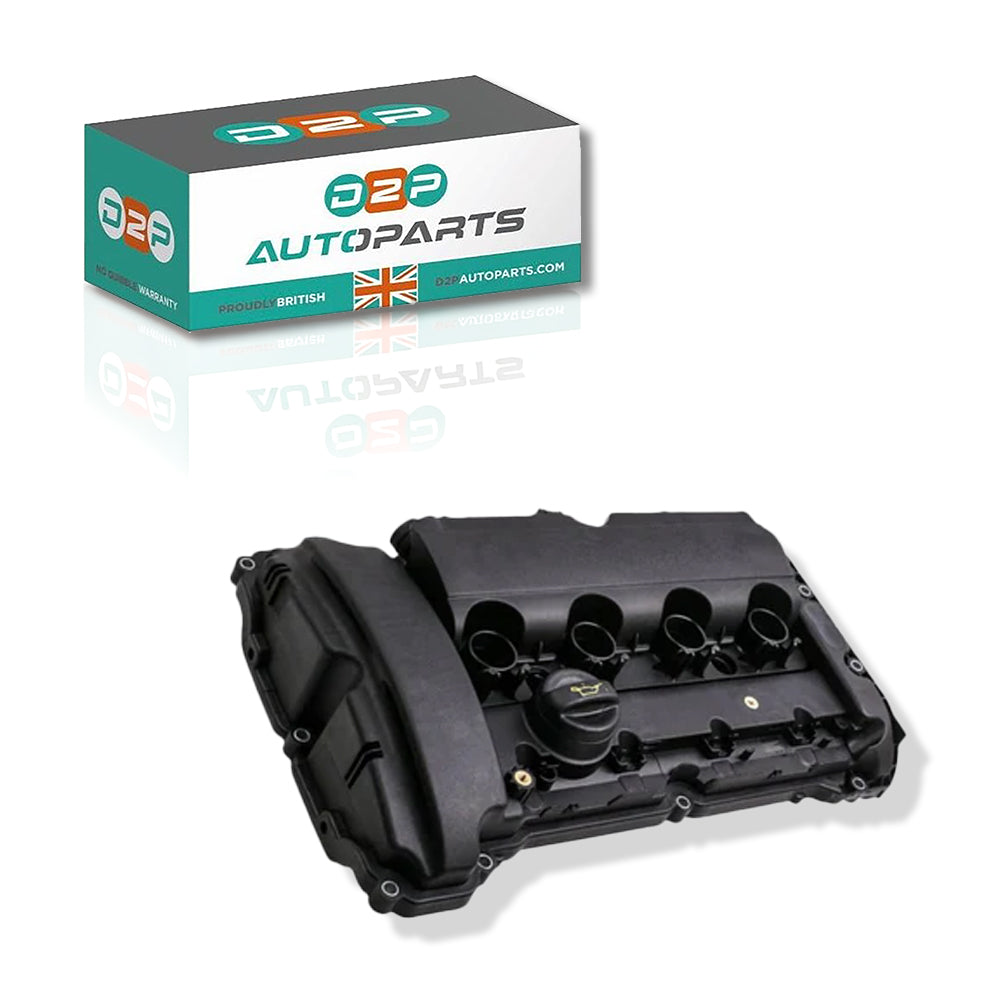


What Is A Rocker Cover?
A rocker cover, also known as a valve cover on some vehicles, sits on top of the cylinder head and helps seal the upper part of the engine. It helps keep engine oil contained while protecting the components underneath from dirt and contaminants.
A damaged, cracked or poorly sealing rocker cover can contribute to oil leaks and other engine problems. Replacing a faulty rocker cover can help restore a reliable seal and protect the surrounding engine components.
SHOP ROCKER COVERSCommon Signs Of A Faulty Rocker Cover
A damaged or poorly sealing rocker cover can cause several noticeable problems. Look out for these common warning signs.
Engine Oil Leaks
Oil around the top of the engine or cylinder head can be a sign of a damaged rocker cover or failed seal.
Burning Oil Smell
Oil leaking onto hot engine components may produce a noticeable burning oil smell while the engine is running.
Oil Around The Engine
Visible oil residue around the rocker cover area can indicate that the cover or its sealing surface needs attention.
Cracked Or Damaged Cover
Physical cracks, damage or distortion can prevent the rocker cover from creating a proper seal.
Oil Contamination
Oil escaping from the rocker cover area can reach nearby components and create additional maintenance issues.
Engine Performance Issues
Depending on the vehicle and rocker cover design, related breather or PCV problems may contribute to engine running issues.
How Does A Rocker Cover Work?
Understanding the role of a rocker cover in your vehicle's engine
A rocker cover sits on top of the cylinder head and helps seal and protect the upper part of the engine. It covers the valve train components while helping keep engine oil contained inside the engine. The rocker cover works together with its gasket or sealing surface to prevent oil leaks and keep dirt and other contaminants away from internal engine components. On many modern vehicles, the rocker cover also incorporates or connects to the breather or PCV system, helping manage crankcase vapours and maintain proper engine ventilation.

Rocker Cover Replacement Tips
A few important checks can help you choose the correct replacement rocker cover.
Check The OE Number
Compare the original equipment number with the replacement part to help confirm compatibility with your vehicle.
Confirm Vehicle Fitment
Always check the vehicle make, model, engine size, year and engine code where applicable before ordering.
Check The Gasket
Check whether the rocker cover is supplied with a gasket or sealing components, as this can vary between applications.
Check Breather Components
Some rocker covers include or connect to PCV or breather components, so make sure the replacement matches the original design.
Why Buy Rocker Covers From D2P AutoParts?
Find replacement rocker covers for a wide range of popular cars and vans from D2P AutoParts.
Quality Replacement Parts
Choose from a range of replacement rocker covers designed for specific vehicle applications.
Fast UK Delivery
Quick dispatch and dependable delivery throughout the UK.
Vehicle Compatibility
Check vehicle details and OE numbers to help find the correct rocker cover for your application.
Expert Customer Service
Need help finding the right part? Our team can assist with product and fitment enquiries.
What does a rocker cover do?
A rocker cover, also known as a valve cover or cam cover on some vehicles, sits on top of the cylinder head. It helps seal the upper part of the engine, contain engine oil and protect valvetrain components from dirt and contaminants.
What are the signs of a faulty rocker cover?
Common signs include oil leaks around the top of the engine, a burning oil smell, visible damage or cracks, oil contamination around nearby components and, depending on the vehicle, problems related to the breather or PCV system.
Can a cracked rocker cover cause an oil leak?
Yes. A cracked or damaged rocker cover can prevent the engine from sealing correctly and may allow oil to escape from the top of the cylinder head.
Is a rocker cover the same as a valve cover?
In many vehicles, yes. The terms rocker cover, valve cover and cam cover can be used for the cover fitted over the top of the cylinder head, although the terminology varies between manufacturers and engines.
Do rocker covers come with a gasket?
This depends on the specific product. Some rocker covers are supplied with sealing components, while others may require the gasket to be purchased separately. Always check the individual product description to confirm what is included.
Do rocker covers come with a gasket?
This depends on the specific product. Some rocker covers are supplied with sealing components, while others may require the gasket to be purchased separately. Always check the individual product description to confirm what is included.
Should I replace the rocker cover gasket when replacing the cover?
If the gasket is separate from the rocker cover, fitting a new gasket is generally important to achieve a proper seal. Check whether your replacement rocker cover already includes the required sealing components before ordering.
Can a faulty rocker cover cause a burning oil smell?
Yes. If engine oil leaks from the rocker cover area and reaches hot engine components, it can produce a noticeable burning oil smell.
Do rocker covers contain PCV or breather components?
Some modern rocker covers incorporate or connect to PCV (Positive Crankcase Ventilation) or engine breather components. The exact design varies by engine, so it's important to match the replacement cover to the original application.
Can I replace a rocker cover myself?
Replacement is possible for experienced DIY mechanics, but the difficulty varies by vehicle. Correct gasket seating, fastener torque and access to the cylinder head are important for achieving a proper seal. If you're unsure, professional installation is recommended