
NOx Sensor
Symptoms, Replacement & Quality Parts UK

Popular NOx Sensors
Top view in this week


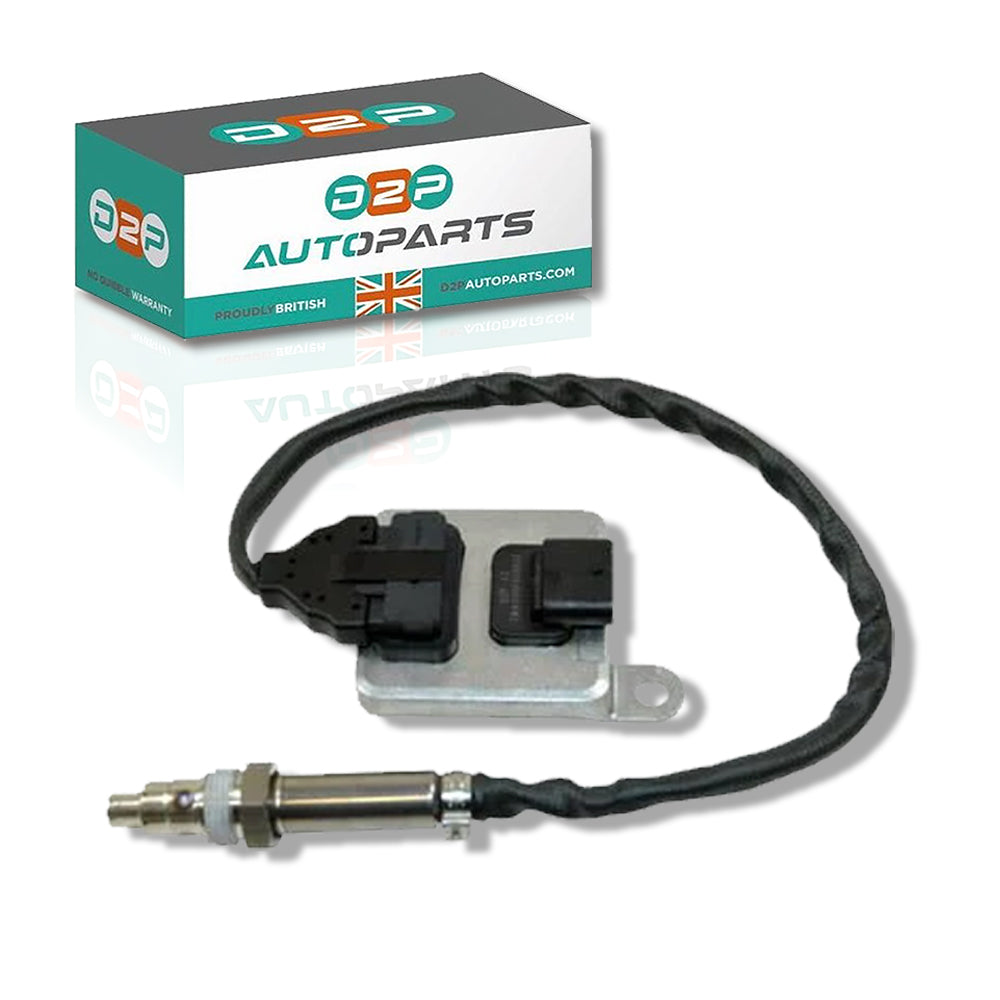

What Is A NOx Sensor?
A NOx sensor monitors the oxides of nitrogen your vehicle emits, helping it stay compliant with strict emissions regulations. It works alongside the Selective Catalytic Reduction (SCR) system, feeding real-time data that controls how much diesel exhaust fluid is injected to clean up exhaust gases.
Found in most modern diesel and petrol vehicles, a healthy NOx sensor keeps your engine running efficiently while keeping harmful emissions within legal limits.
SHOP NOX SENSORSBad NOx Sensor Symptoms
Not sure if your NOx sensor needs replacing? Watch out for these common warning signs.
Check Engine Light
A faulty NOx sensor is one of the most common triggers for the engine warning light.
Increased Fuel Consumption
Inaccurate NOx readings can throw off the SCR system, leading to higher fuel usage.
Reduced Power
A failing sensor can cause the ECU to limit engine output, leaving the car feeling underpowered.
Limp Mode
Vehicles often enter protective limp mode when a NOx sensor fault is detected.
Reduced Acceleration
Slow or hesitant acceleration is a common sign that emissions readings aren't accurate.
Reduced Performance
Overall engine performance can drop noticeably when the SCR system isn't getting correct data.
How A NOx Sensor Works
A closer look at what's happening behind the scenes to keep your emissions in check.
Reads The Exhaust Gas
An internal cell measures the oxides of nitrogen present in the exhaust as it passes through.
Sends Data To The Controller
The NOx controller calculates the exact levels detected and passes this data on to the SCR controller.
Adjusts AdBlue Injection
Based on the readings, the SCR controller adjusts how much diesel exhaust fluid is injected into the catalyst.
Confirms Compliance
The sensor is usually positioned after the SCR catalyst, confirming NOx levels have dropped to a compliant level.
NOx Sensor Care Tips
Simple habits that help your NOx sensor and emissions system last longer.
Don't Try To Clean It
NOx sensors are self-cleaning, so if one is faulty it should be replaced rather than cleaned manually.
Get Fault Codes Checked Early
Warning lights and stored fault codes should be scanned quickly to avoid further damage down the line.
Choose New Over Refurbished
For such a precision component, a brand new sensor offers far more reliable, long-lasting performance.
Watch For Soot Build-Up
Soot from the combustion process is a leading cause of sensor faults, so regular servicing helps prevent this.
Why Buy From D2P AutoParts?
Trusted by UK drivers for quality parts and reliable service.
Quality Checked Parts
Reliable replacement NOx sensors tested for quality and accuracy.
Fast UK Delivery
Quick dispatch and dependable delivery throughout the UK.
Compatibility Support
Our experts help you find the correct NOx sensor for your vehicle.
Expert Customer Service
Friendly UK-based support whenever you need assistance.
What does a NOx sensor actually do?
It measures how much oxides of nitrogen your vehicle is releasing and feeds that data to the SCR system, which then adjusts the emissions output so it stays within legal limits.
Where is the NOx sensor located?
It's most commonly fitted after the SCR catalyst, so the system can
confirm NOx levels have dropped to a compliant amount. Some vehicles
also have a second sensor positioned before the catalyst.
Are NOx sensors only fitted to diesel vehicles?
No. While they're most common on diesels, most modern petrol vehicles
have at least one NOx sensor too, since emissions rules apply to both
fuel types.
What causes a NOx sensor to fail?
The most common cause is a build-up of soot from the combustion process. Soot can coat the sensor and stop it from reading gas levels accurately, and over time it can cause physical damage too.
What are the signs of a faulty NOx sensor?
Common signs include the engine warning light coming on, higher fuel consumption, reduced power, the car going into limp mode, sluggish acceleration, and an overall drop in performance.
Can I clean a NOx sensor instead of replacing it?
Not recommended. NOx sensors are designed to be self-cleaning, so if one is showing signs of failure, replacing it is the correct fix rather than trying to clean it manually.
Should I repair or replace a faulty NOx sensor controller?
Repairing can seem like the cheaper option, but for such a precise component it's usually only a short-term fix. Replacing it properly the first time saves you doing the job twice.
Is it okay to fit a refurbished NOx sensor?
We'd always recommend a brand new sensor over a refurbished one. New components give you the most accurate readings and the longest lifespan.
Can a bad NOx sensor cause my car to fail its MOT?
Yes. Since NOx sensors are tied directly to emissions compliance, a fault can push your vehicle's emissions output outside legal limits, which can result in an MOT failure.
How do I know which NOx sensor fits my car?
Always check your vehicle's make, model, engine code and year before ordering. If you're unsure, our team is happy to confirm compatibility before you buy.