
Absolutely perfect with great customer service
Part as described. It fits and works perfectly. Fast delivery
Value for money. Quick delivery aswell.
Fast delivery wxcellent service
The delivery time excellent at a good price

Symptoms, Care Tips & Replacement Guide
Top view in this week

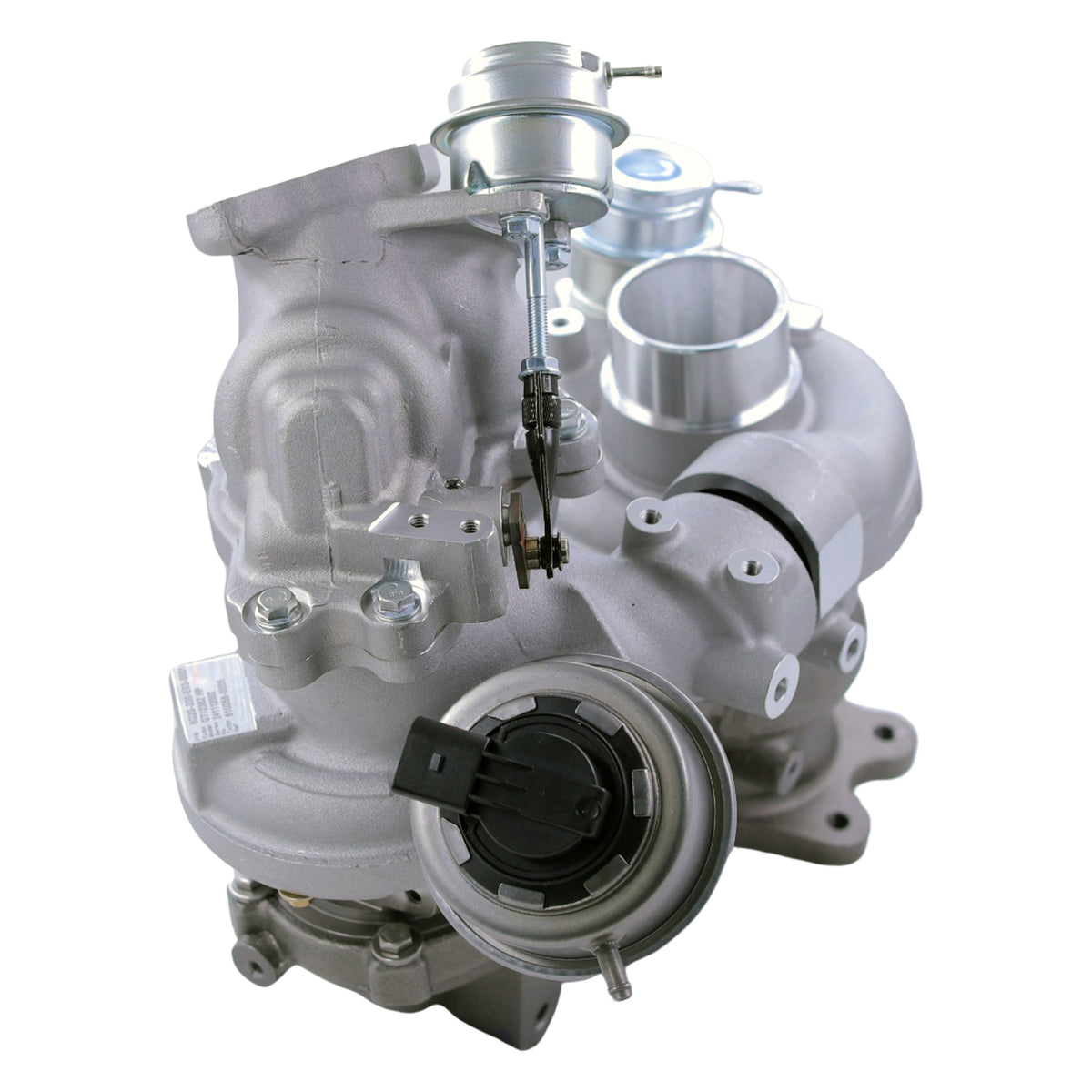

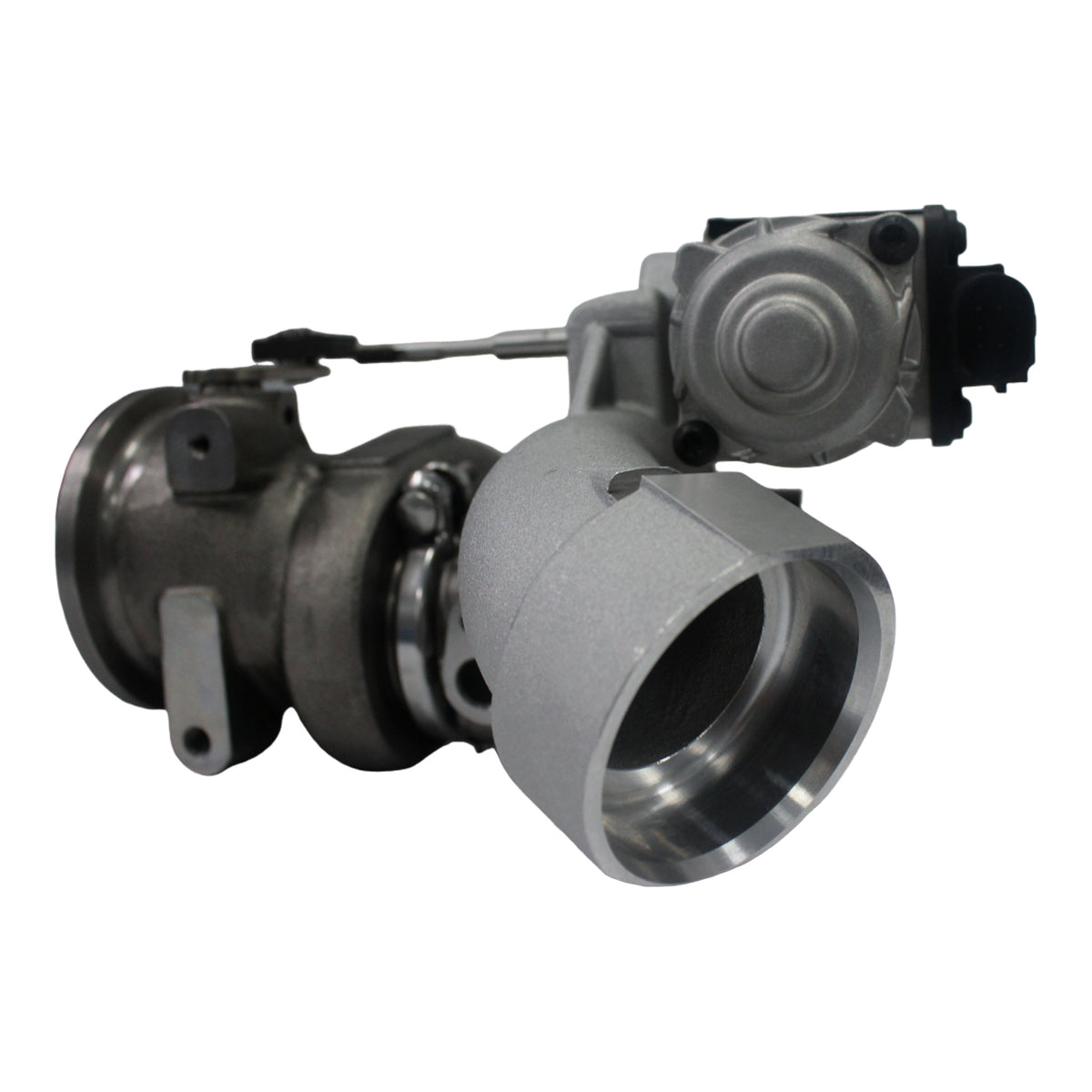

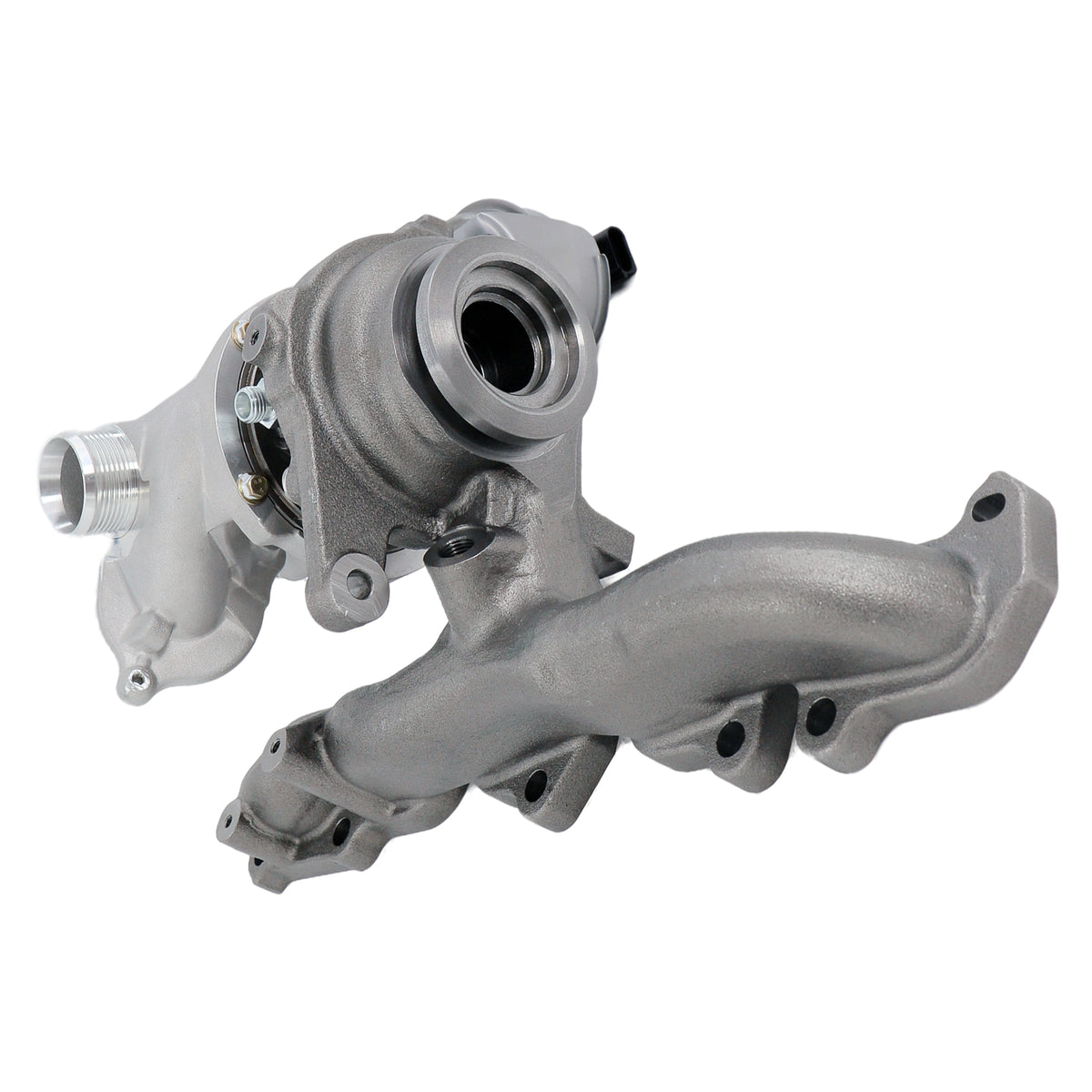


A turbocharger is a key component designed to increase engine power and efficiency. It uses exhaust gases to spin a turbine which compresses incoming air, allowing the engine to burn more fuel and generate more power.
Modern turbocharged engines provide improved performance, better fuel economy and increased torque while helping reduce emissions.
SHOP TURBOCHARGERSNot sure if your turbo needs replacing? Watch out for these common warning signs.
Reduced acceleration and sluggish engine performance are common signs of turbocharger issues.
Blue, black or white smoke from the exhaust may indicate internal turbo failure.
A damaged turbo often produces a loud whining or siren-like sound.
Turbo boost problems can trigger warning lights and fault codes.
Poor boost pressure can reduce efficiency and increase fuel usage.
Vehicles may enter protective limp mode when turbo faults are detected.
A few quick checks before you buy will save you time, money and hassle.
Always confirm your make, model, engine code and year before ordering to ensure a perfect fit.
Cross checking the OEM or turbo part number helps avoid compatibility issues down the line.
Decide between a brand new unit or a reconditioned turbo based on your budget and requirements.
Not sure which turbocharger fits your car? Our team is happy to confirm compatibility before you buy.
Simple habits that help your turbocharger run smoothly for longer.
Clean engine oil keeps the turbo bearings lubricated and helps prevent premature wear.
Let the engine idle briefly before switching off to protect the turbo from heat damage.
A clogged air filter restricts airflow and can reduce turbo efficiency over time.
Keep an eye on boost pressure and unusual noises to catch turbo issues early.
Trusted by UK drivers for quality parts and reliable service.
Reliable replacement turbochargers tested for quality and performance.
Quick dispatch and dependable delivery throughout the UK.
Our experts help you find the correct turbocharger for your vehicle.
Friendly UK-based support whenever you need assistance.
A turbocharger uses exhaust gases to spin a turbine, which compresses incoming air into the engine. This allows more air (and fuel) to be burned, giving the engine more power without increasing its size.
Common signs include loss of power, excessive smoke from the exhaust, a loud whining noise, the check engine light coming on, increased fuel consumption, or the car entering limp mode.
It's not recommended. Driving with a failing turbo can cause further engine damage and reduce performance and safety. It's best to get it checked and replaced as soon as possible.
With proper maintenance, a turbocharger can last anywhere from 100,000 to 150,000 miles. Poor maintenance, especially irregular oil changes, can shorten its lifespan significantly.
Both are good options depending on your budget. New turbochargers offer maximum reliability, while reconditioned units are a more affordable choice and are tested for performance before sale.
Compatibility depends on your vehicle's make, model, engine code, and year. It's best to confirm these details before ordering, or contact our team to double-check fitment.
Yes, turbocharger replacement is a technical job and should be done by a qualified mechanic to ensure correct fitting, oil supply, and calibration.
Yes, a properly working turbocharger can improve fuel efficiency because the engine can generate more power without needing extra fuel or a larger engine.
Common causes include lack of oil or dirty oil, oil leaks, foreign object damage, worn out bearings, and excessive heat from short engine run times without proper cool down.
Yes, our turbochargers come with a warranty for your peace of mind. Please check the product listing or contact our support team for specific warranty details.